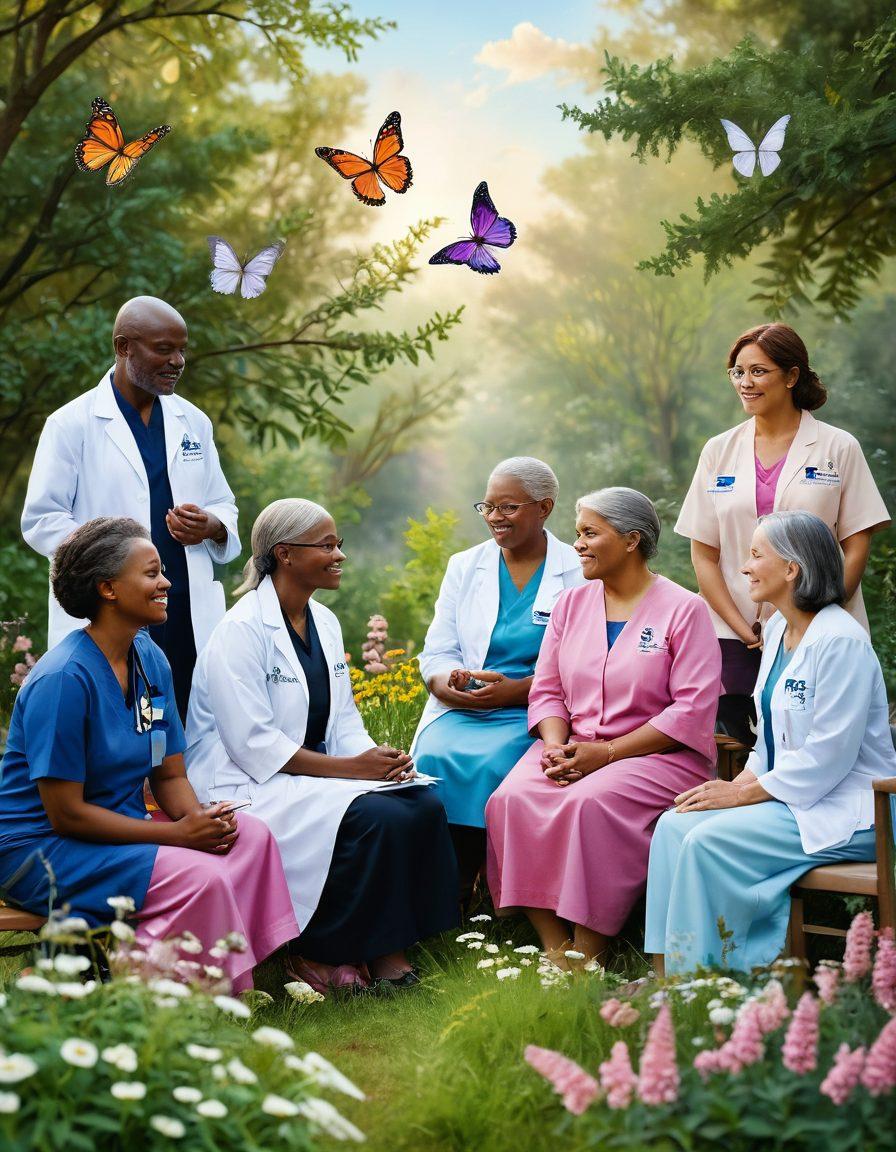
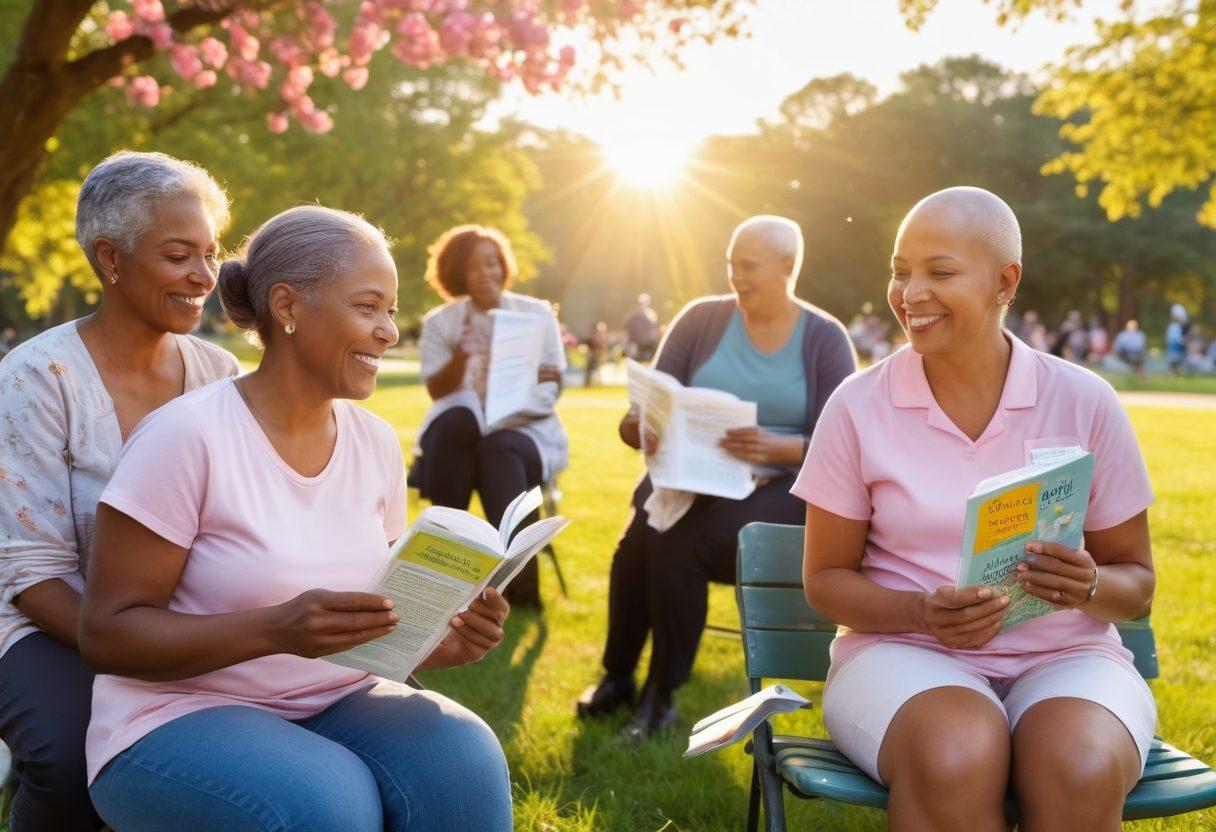
Empowering Patients: Navigating the Journey Through Oncology and Beyond
Welcome to the intricate and often challenging world of oncology, where the journey is filled with not just medical advancements but also a profound opportunity for patient empowerment. Imagine facing a diagnosis that lays a heavy burden on your shoulders. Perhaps it's a malignancy, a tumor, or a carcinoma that sends waves of anxiety through your being. Yet, within this tempest of uncertainty lies a path toward understanding, control, and hope. Empowering patients through awareness and education fosters a sense of control, transforming fear into informed action. As author William Arthur Ward famously said, 'The pessimist complains about the wind; the optimist expects it to change; the realist adjusts the sails.' Let's adjust those sails together on this journey through oncology and beyond.
In the world of oncology, knowledge is indeed power. Being diagnosed with cancer can feel like stepping into uncharted waters, but arming yourself with information about treatment options, support resources, and the latest evidence-based research can turn those waves of uncertainty into a steady current. Whether it's chemotherapy, radiation therapy, or revolutionary immunotherapy, each treatment choice requires a thorough understanding of its impact on your body and life. When you meet with your oncologist, don’t hesitate to ask questions. What is this treatment aiming to accomplish? What side effects should I expect? By seeking answers, you take an active role in your patient care, engaging with the medical community to craft a personalized plan that fits your needs.
Furthermore, the journey through oncology is not linear; it's a tapestry woven with threads of hope, despair, resilience, and support. It's essential to connect with fellow warriors through support groups that offer emotional backing, camaraderie, and shared experiences. Advocacy plays a critical role in navigating this landscape — whether through awareness campaigns or participation in survivorship programs that focus on wellness and emotional health. You are not alone! Sharing patient stories can inspire others and foster a sense of community that uplifts spirits. After all, as Helen Keller wisely said, 'Alone we can do so little; together we can do so much.'
It is also crucial to remember the holistic aspect of health that extends beyond traditional medical treatments. Adopting a healthy lifestyle enriched with proper nutrition and self-care is not just a trend; it's a transformational journey. Nutrition affects how well you respond to therapy and can help mitigate adverse effects, enhancing your overall quality of life during and after your treatment. Prioritize mental health and find fulfillment in practices that resonate with you—be it yoga, art, or journaling. By nurturing these dimensions of well-being, you fortify your battle against cancer and foster a more holistic approach to patient care.
Lastly, as the landscape of oncology continues to evolve, so too does the need for awareness and involvement. Consider participating in clinical trials or research studies if you’re eligible; such opportunities could offer you access to cutting-edge therapies while contributing to the greater body of knowledge in cancer care. The more informed you are, the better choices you can make not only for yourself but potentially for future patients struggling with similar challenges. So dare to take the lead… Will you be an advocate for your health? As we unravel oncology, remember: empowerment stems from understanding, and together, we can create a future where every patient finds strength, knowledge, and hope on their journey.
From Diagnosis to Survivorship: Essential Resources for Navigating Cancer Care
When faced with a cancer diagnosis, the emotional weight can feel overwhelming. The word 'malignancy' suddenly takes on a terrifying reality, and the journey from diagnosis to survivorship feels like a labyrinth of unknowns. Yet, this is where your strength begins to unfold. Love, support, and resources are available to help you navigate the complexities of cancer care. The realm of oncology can be intimidating, but understanding what lies ahead can empower you and those who care for you. In this blog, we will explore essential resources that can guide you through each step of your journey, ensuring you feel supported and informed as you confront this challenge.
Let's take a moment for some introspection. Have you ever experienced a moment that altered the course of your life? For many, a cancer diagnosis serves as that pivotal point. You may find yourself seeking guidance from an oncologist or contemplating treatment options such as chemotherapy, radiation therapy, or even the emerging field of immunotherapy. All these medical terminologies can create a whirlwind of confusion. But don’t worry; you’re not alone. Many patients, just like you, have walked this path and discovered valuable insights that can help improve their quality of life in the face of adversity. Sharing these patient stories contributes to a community that thrives on support and understanding.
Research studies and clinical trials are the beacons of hope for cancer treatment, often leading to advancements in evidence-based therapies. Wouldn't it be comforting to know that every new treatment option investigated holds the promise for improved outcomes not just for you, but also for future patients battling similar tumors? Engaging in conversation about these advancements can aid in awareness of preventative measures, effective screening, and available resources. By seeking information and actively participating in your own care, you are not only an advocate for yourself but for many others who share this journey.
As you navigate through medical appointments and treatment courses, it’s essential to prioritize holistic health. A healthy lifestyle enriched with balanced nutrition, physical activity, and mental health practices can noticeably bolster your resilience. What if integrating mindfulness or wellness techniques could potentially ease your treatment process? Embracing self-care rituals, like joining support groups or engaging in advocacy, can be truly transformative. The emotional support received from those who understand your plight can create a sense of belonging, helping you thrive as you transition from sickness towards survivorship programs.
Finally, remember that your journey doesn't simply end once your treatment concludes. Life as a cancer survivor can involve continued learning about your health and pathways for maintaining wellness. Engaging with the community through health education, local support networks, and even blogging about your experiences can illuminate your path ahead and offer others hope. Advocacy doesn't stop; raising awareness about the significance of early diagnosis and emphasizing available resources for quality patient care can make a profound difference. Your voice can inspire others and contribute to a ripple effect of change within the healthcare landscape. So, let’s embark on this journey together—one story at a time.
Beyond Treatment: Embracing a Holistic Approach to Wellness and Patient Advocacy in Oncology
In the world of oncology, where the battle against malignancy often feels overwhelming, many patients find themselves lost in a maze of medical jargon and treatment options. However, the journey through cancer care can be so much more than just chemotherapy and radiation therapy. It is crucial for patients and their families to embrace a holistic approach to wellness that encompasses not only the physical aspects of treatment but also mental and emotional support. Imagine standing at the crossroads of medical advancement and personal empowerment—this is where patient advocacy shines a light on what it means to truly heal and thrive.
"Health is not just the absence of disease; it’s the presence of well-being." This powerful quote embodies the essence of a holistic health approach in oncology. The journey through cancer care often begins with a diagnosis, such as carcinoma or tumor identification, but it doesn't have to stop there. Patients are unique individuals with distinct needs, which is why evidence-based therapy must be complemented with emotional support and community engagement. By participating in support groups and survivorship programs, patients can discover a nurturing ecosystem that extends beyond the clinical walls.
One of the most compelling aspects of advocating for oneself or a loved one in the oncology landscape is the power of knowledge. Staying informed about treatment options like immunotherapy and the most recent research studies can be the difference between feeling lost and feeling empowered. By being proactive in health education—whether through blogging about experiences or seeking resources for treatment—it allows for meaningful conversations with an oncologist about personalized care. After all, information breeds confidence, which helps patients navigate through their treatment journey with purpose and clarity.
Nutrition and healthy lifestyle choices can aid in recovery and overall wellness. What if patients were to view food not merely as sustenance, but as a critical ally in their fight against cancer? Focusing on a balanced diet, engaging in regular physical activity, and practicing self-care rituals can help enhance quality of life during and after medical treatment. A well-rounded approach can also significantly impact mental health—vital for anyone facing the pressures of oncology. How might incorporating these elements into daily routines transform patient experiences?
Finally, emotional support plays an indispensable role in patient care. It is essential for patients to connect with others who understand what they are going through. Engaging with a community, whether through local support groups or online platforms, can foster friendships that encourage resilience. The multifaceted approach of combining therapy, wellness practices, and advocacy creates a powerful narrative. It is a reminder that beyond the daunting aspects of healthcare, there lies a journey rich with stories of hope, healing, and empowerment that can ultimately inspire others to join in the fight against cancer.